Skin Cancer 101: How to Recognize, Prevent, and Protect Your Skin (Madison, WI Guide)
Skin cancer is often misunderstood — minimized as “just a spot” or dismissed until it becomes something more serious.
But here’s the truth:
Skin cancer is the most common cancer in the United States, and its development begins at the cellular level long before it becomes visible on the skin.
At Ethos Med Spa, we believe education is not optional — it is essential. Because when you understand your skin, you protect it differently.
What Is Skin Cancer?
Skin cancer occurs when DNA within skin cells becomes damaged, most commonly from ultraviolet (UV) radiation. Over time, this damage leads to mutations, causing cells to grow uncontrollably.
This process is not always immediate. In fact, it is often the result of years of cumulative exposure, not a single moment in the sun.
The Three Most Common Types of Skin Cancer
Basal Cell Carcinoma (BCC)
The most common form
Typically slow-growing
Often appears as a pearly or flesh-colored bump
Rarely spreads, but can cause significant local damage if untreated
Squamous Cell Carcinoma (SCC)
Can develop from prolonged UV exposure
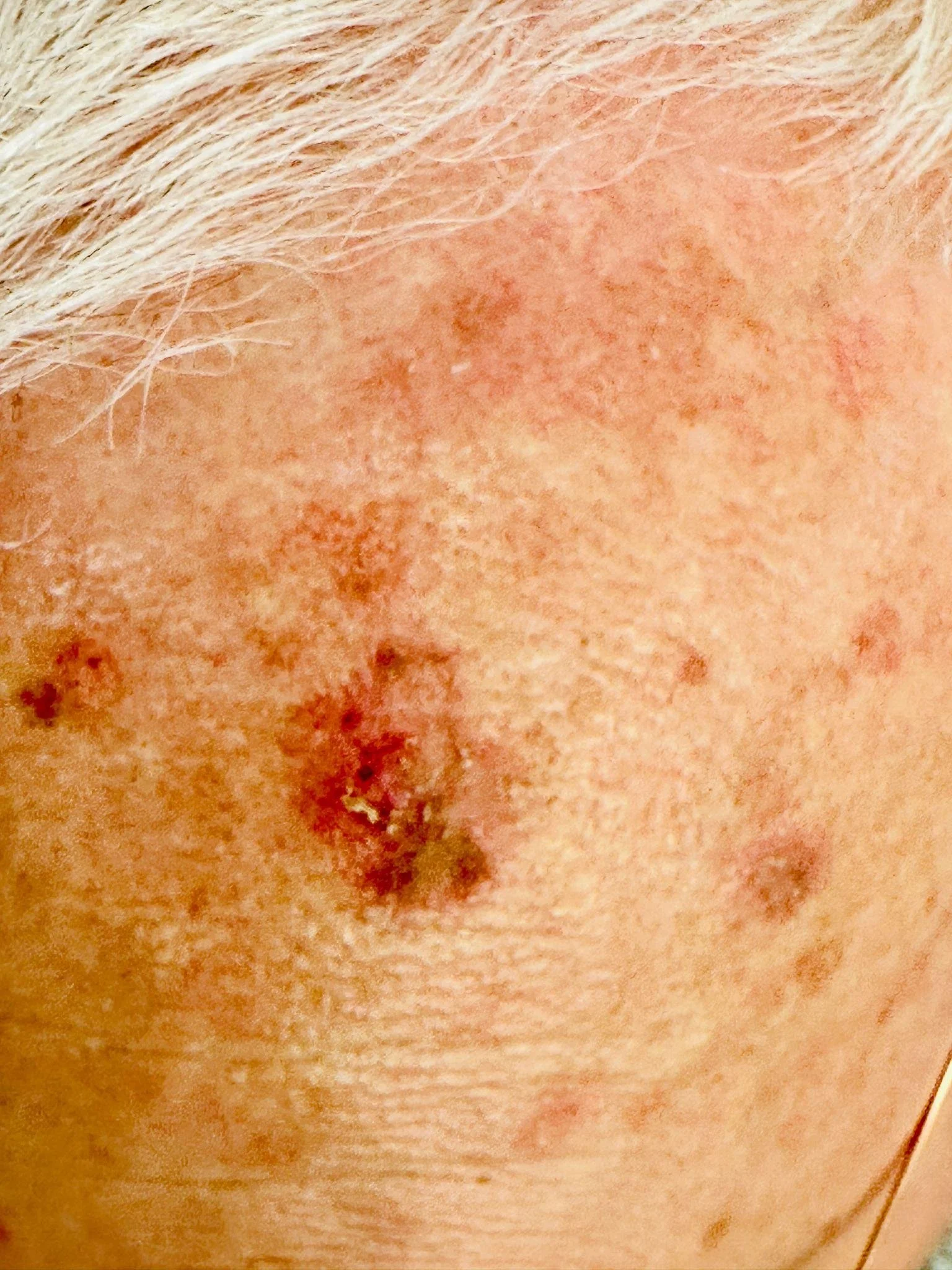
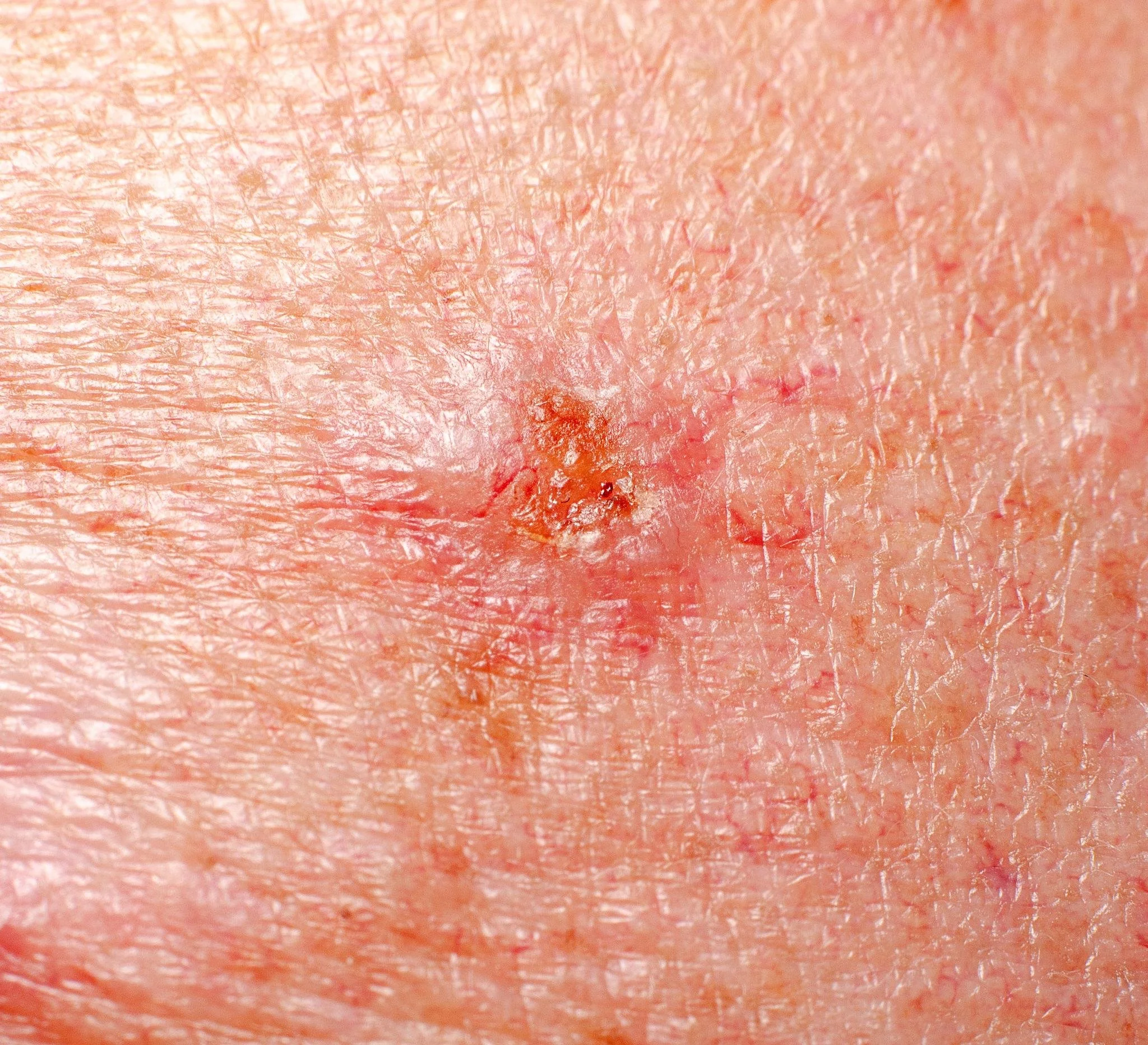
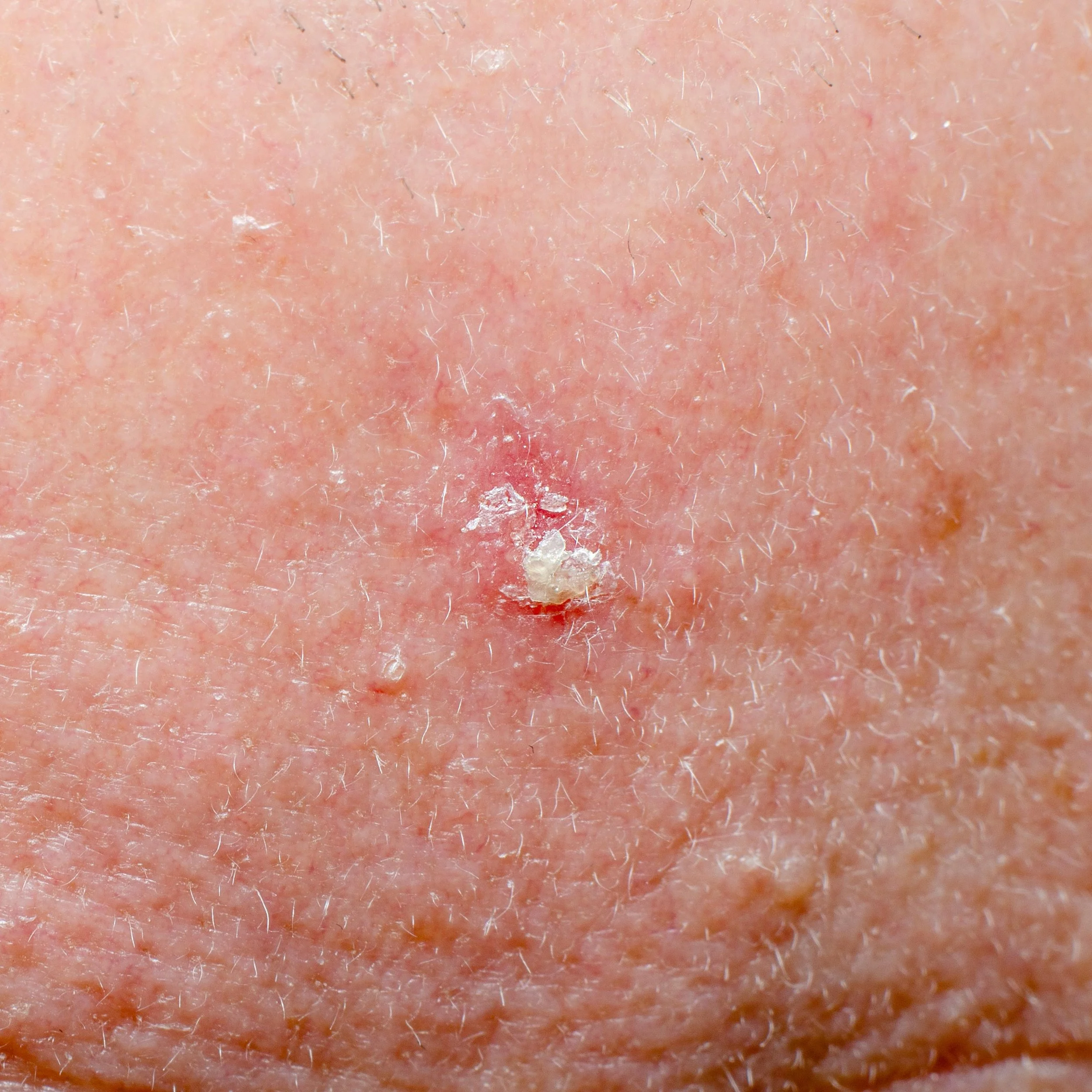
May appear as a scaly patch, open sore, or rough growth
Has the potential to spread if not addressed
Melanoma
The most serious and potentially life-threatening
Develops from pigment-producing cells (melanocytes)
Often appears as a changing or irregular mole
Who Is at Risk?
While lighter skin tones are more prone to visible damage from UV exposure, skin cancer does not discriminate.
Risk factors include:
History of sunburns
Chronic sun exposure
Use of tanning beds
Family history of skin cancer
Weakened immune system
It is important to note that melanoma is often diagnosed later in deeper skin tones, making awareness even more critical.
How to Recognize Early Signs
Early detection changes outcomes — dramatically.
One of the most effective tools for identifying melanoma is the ABCDE rule:
Asymmetry
Border irregularity
Color variation
Diameter
Evolution (change over time)
Additionally, non-melanoma skin cancers may present as:
A spot that does not heal
A lesion that bleeds, crusts, or returns repeatedly
A growth that feels different from surrounding skin
If something looks or feels different, it deserves attention.
Prevention: What Actually Works
Prevention is not complicated — but it does require consistency.
Daily broad-spectrum SPF (yes, even in Wisconsin winters)
Reapplication every 2 hours when exposed
Protective clothing, hats, and sunglasses
Avoidance of peak UV hours
Elimination of tanning bed use
At Ethos, we emphasize a simple truth:
You cannot out-treat unprotected UV exposure.
The Role of Ethos Med Spa
While estheticians do not diagnose skin cancer, we play a critical role in early identification and referral.
At Ethos, we:
Thoroughly assess the skin during treatments
Identify irregular or suspicious lesions
Refer clients to appropriate medical providers when needed
Educate clients on prevention and long-term skin health
We will never treat over something questionable.
Because your safety will always come before any service.
Final Thought
Skin cancer is not always dramatic. It does not always look urgent.
But it is always worth paying attention to.
The difference between a simple procedure and a life-altering diagnosis often comes down to one thing:
early detection.