
The Ethos Microneedling Bar™: Why This Isn't Traditional Microneedling
One treatment. Multiple pathways. A completely different approach to personalized skin regeneration.
Microneedling has been around for decades.
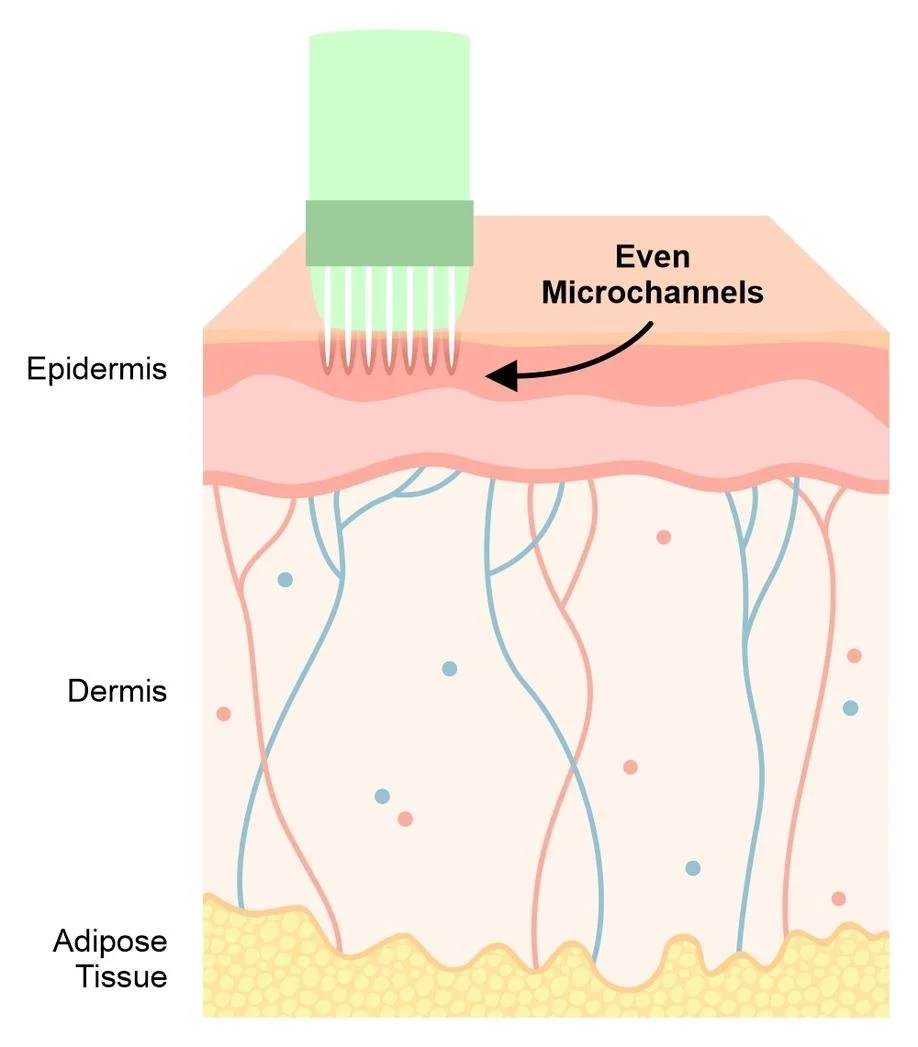
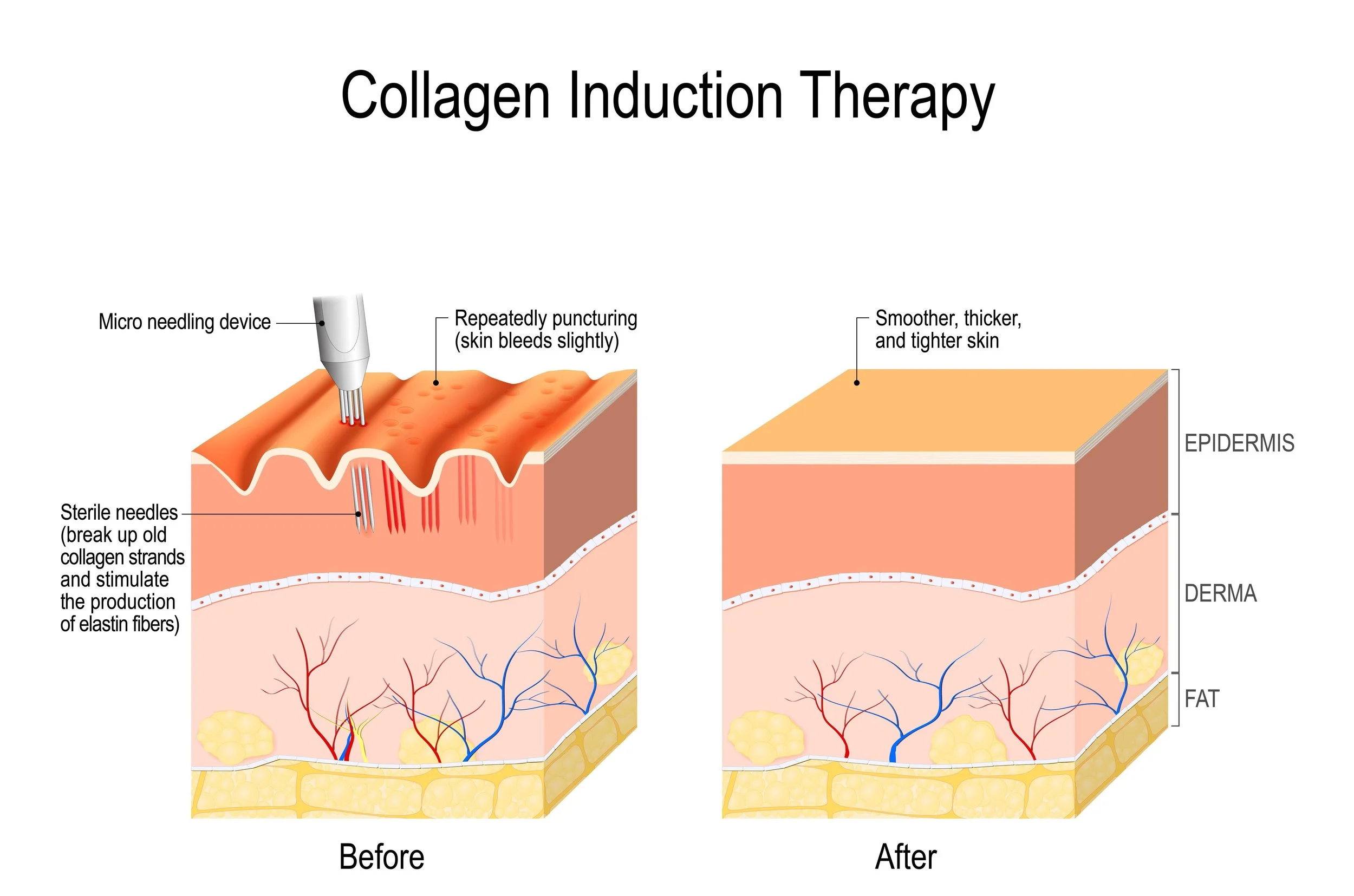
The concept is beautifully simple: create precise, controlled micro-injuries in the skin, activate the body's wound-healing response, and stimulate remodeling of the extracellular matrix—including new collagen production.
But at Ethos Medical Spa, we kept coming back to one question:
If no two people's skin is biologically identical, why are we performing the exact same microneedling treatment on everyone?
That question became the foundation for The Ethos Microneedling Bar™.
We took one of our favorite evidence-based procedures and turned it into something far more individualized: a microneedling experience in which the treatment plan, technique, and carefully selected topical or regenerative adjuncts are chosen according to the patient's skin, goals, history, and biology.
This isn't microneedling plus a trendy serum.
It's precision microneedling built around skin science.
First: What Does Traditional Microneedling Actually Do?
Microneedling—also called percutaneous collagen induction therapy—uses sterile needles to create controlled microscopic channels in the skin.
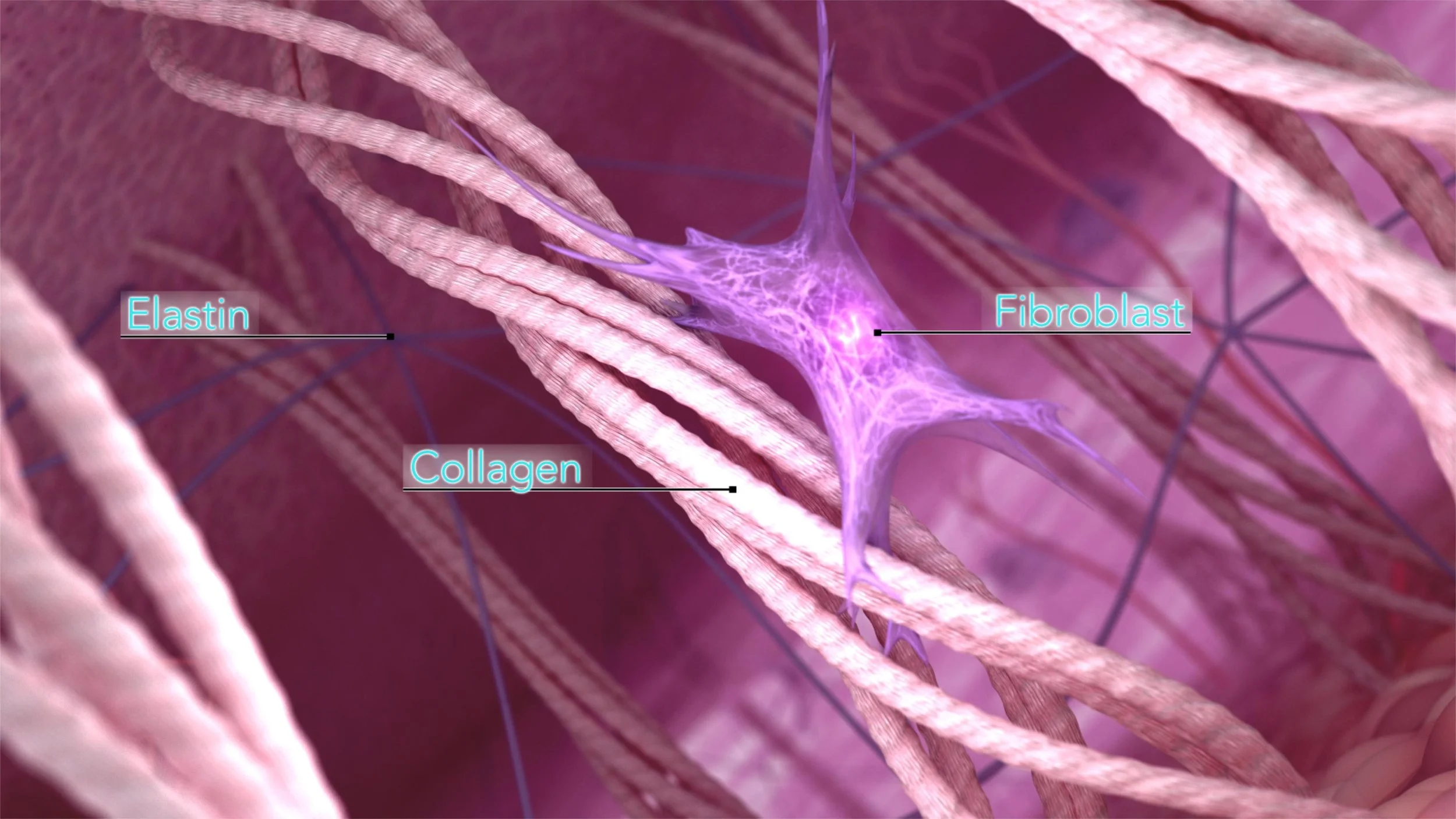
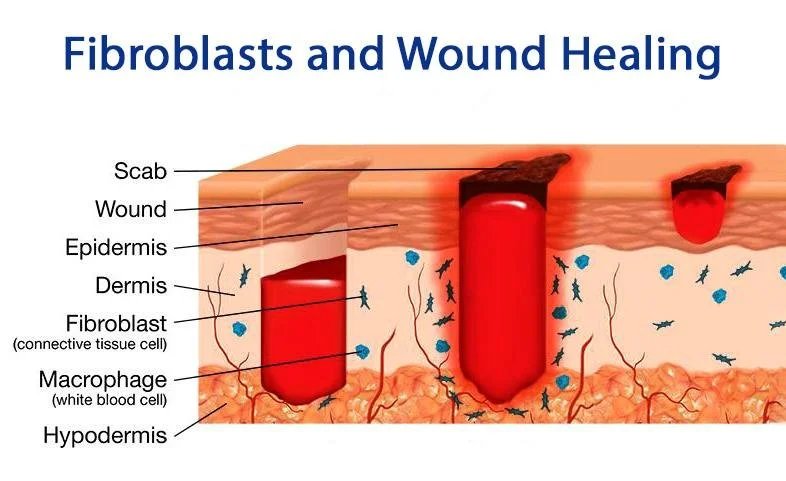
Those controlled injuries initiate a wound-healing cascade involving platelets, immune cells, keratinocytes, fibroblasts, cytokines, growth factors, and extracellular-matrix remodeling.
Very simplified, the process moves through overlapping phases:
Inflammation → proliferation → remodeling.
Fibroblasts become involved in rebuilding the extracellular matrix, collagen is synthesized and reorganized, and tissue remodeling continues well beyond the day of treatment.
That is why microneedling can improve concerns including the appearance of:
Fine lines and wrinkles
Acne scarring
Uneven texture
Enlarged pores
Certain types of dyschromia
Overall skin quality
And importantly, microneedling itself is doing real biological work.
Everything we add to that foundation has to earn its place.
Where The Ethos Microneedling Bar™ Changes the Conversation
Traditional microneedling often follows a fairly standardized model:
Microneedle → apply a product → send the patient home.
At Ethos, we wanted to go deeper.
Instead of beginning with “Which microneedling treatment would you like?” we begin with:
“What are we trying to accomplish biologically?”
Are we primarily targeting collagen remodeling?
Pigment?
Texture?
Signs of photoaging?
Acne scarring?
Overall skin quality?
Or are we building a larger regenerative treatment plan?
Those answers matter because the procedure should serve the objective, rather than forcing every patient into the same protocol.
Microneedling Creates an Opportunity—What We Do With It Matters
Here's where the science gets especially interesting.
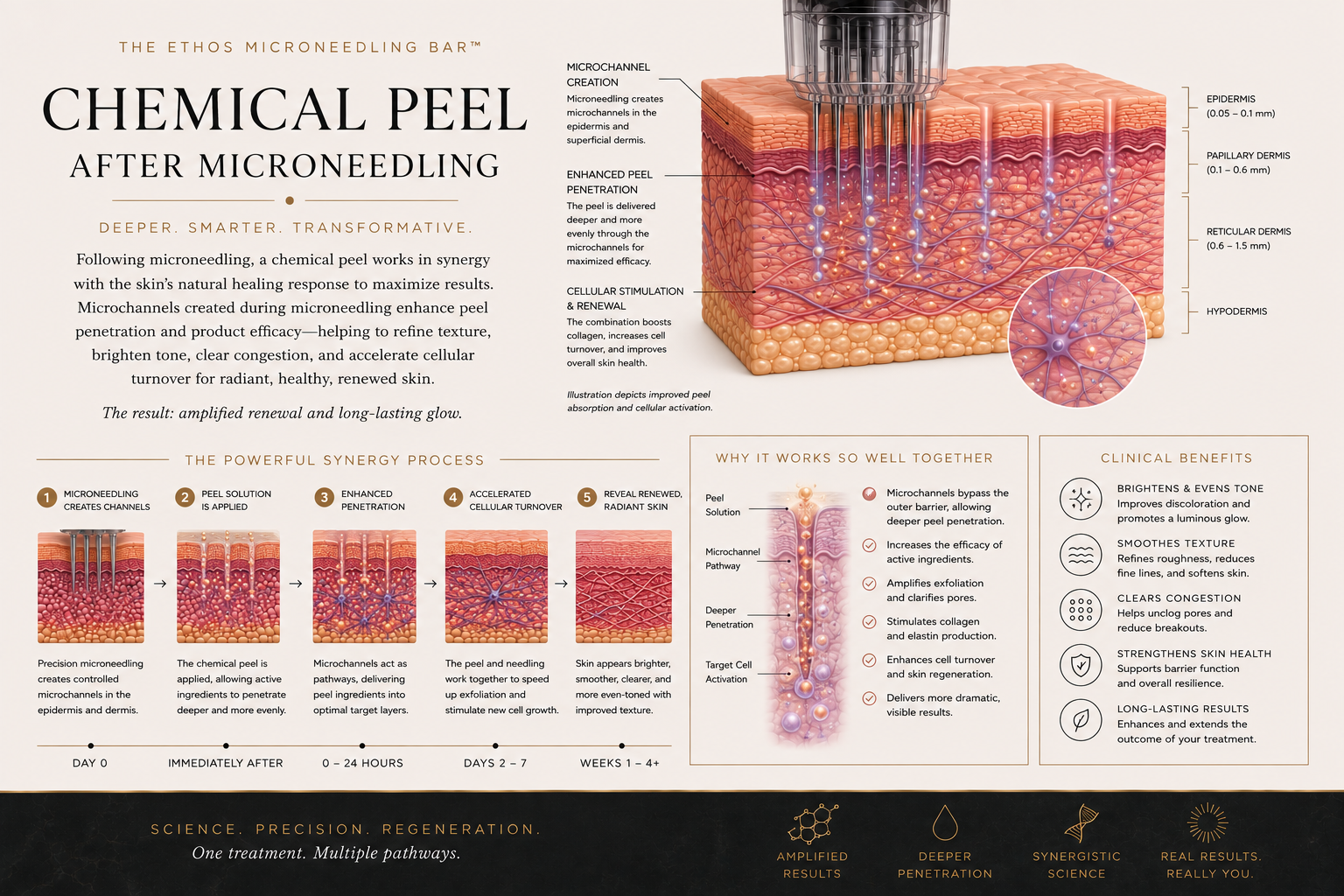
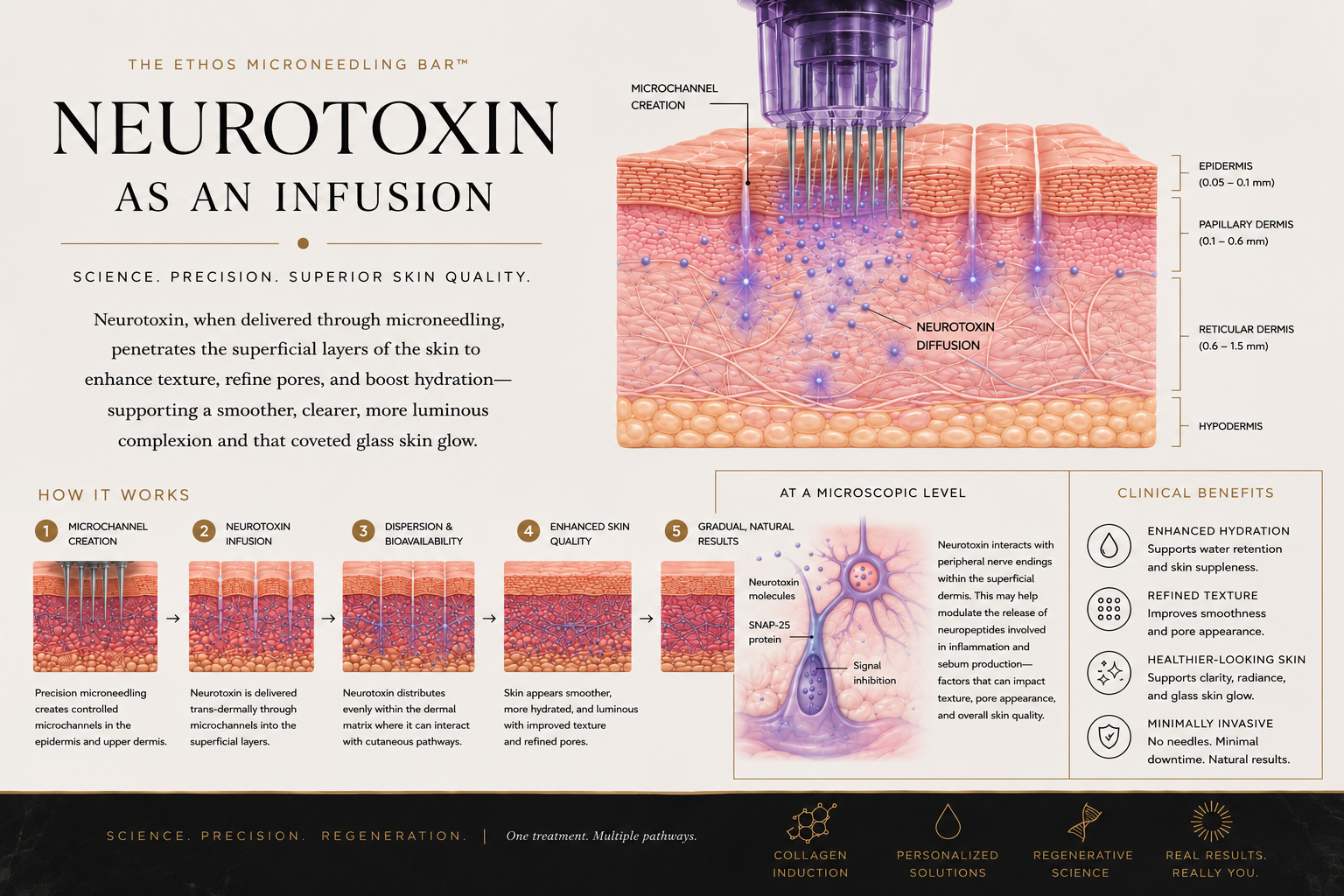
The stratum corneum is extraordinarily good at its job. It forms the primary permeability barrier of the epidermis and limits the penetration of many topically applied substances.
Microneedling temporarily disrupts that barrier by creating microscopic channels.
That creates an intriguing opportunity for enhanced topical delivery—but it also creates responsibility.
Because creating channels through the skin does not mean that anything marketed as a serum should suddenly be needled into it.
Quite the opposite.
Once the barrier has been intentionally disrupted, product selection, sterility, formulation, compatibility, molecular characteristics, intended use, and safety become even more important.
Access isn't the same thing as appropriateness.
That distinction is central to The Ethos Microneedling Bar™.
One Platform. Different Biological Strategies.
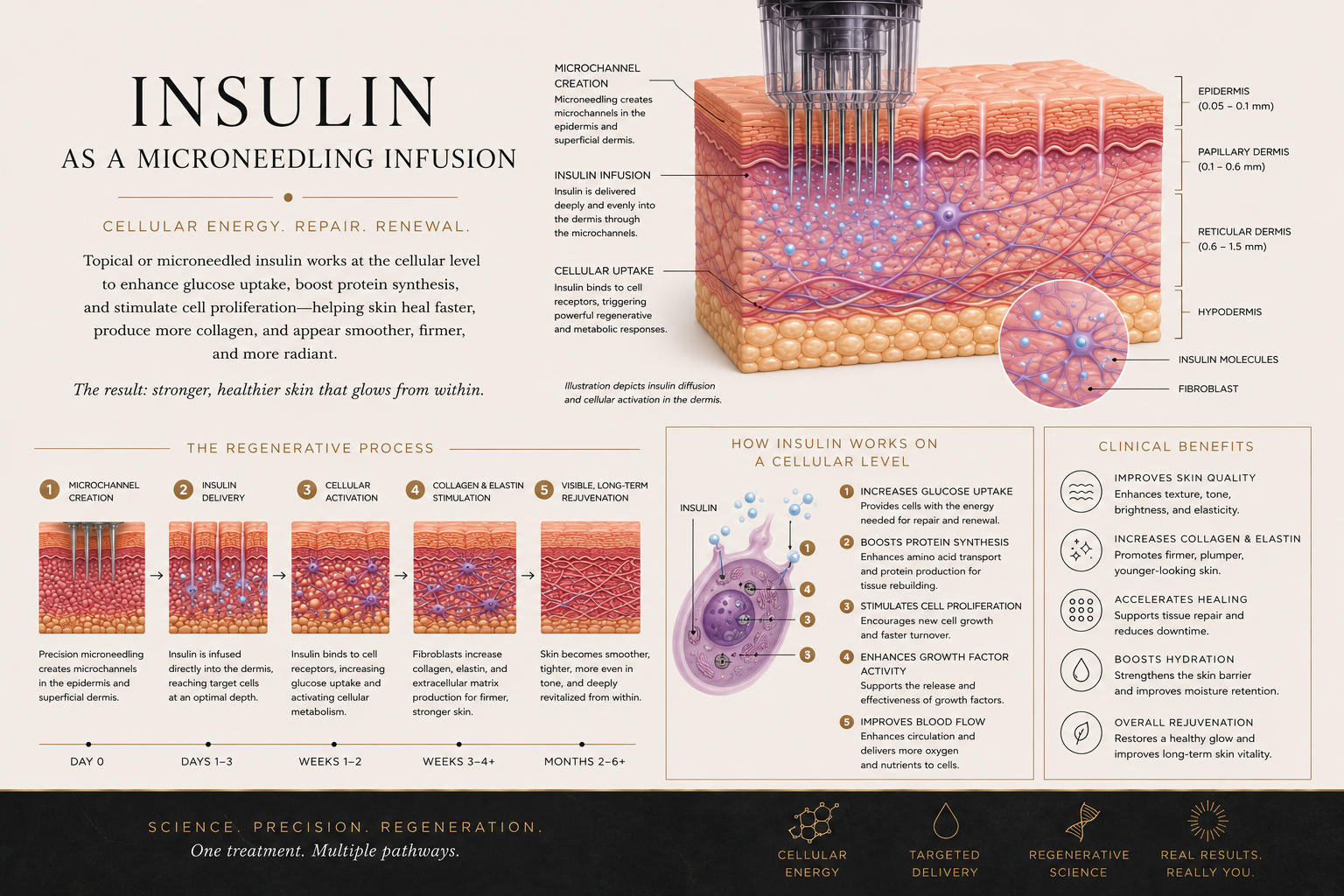
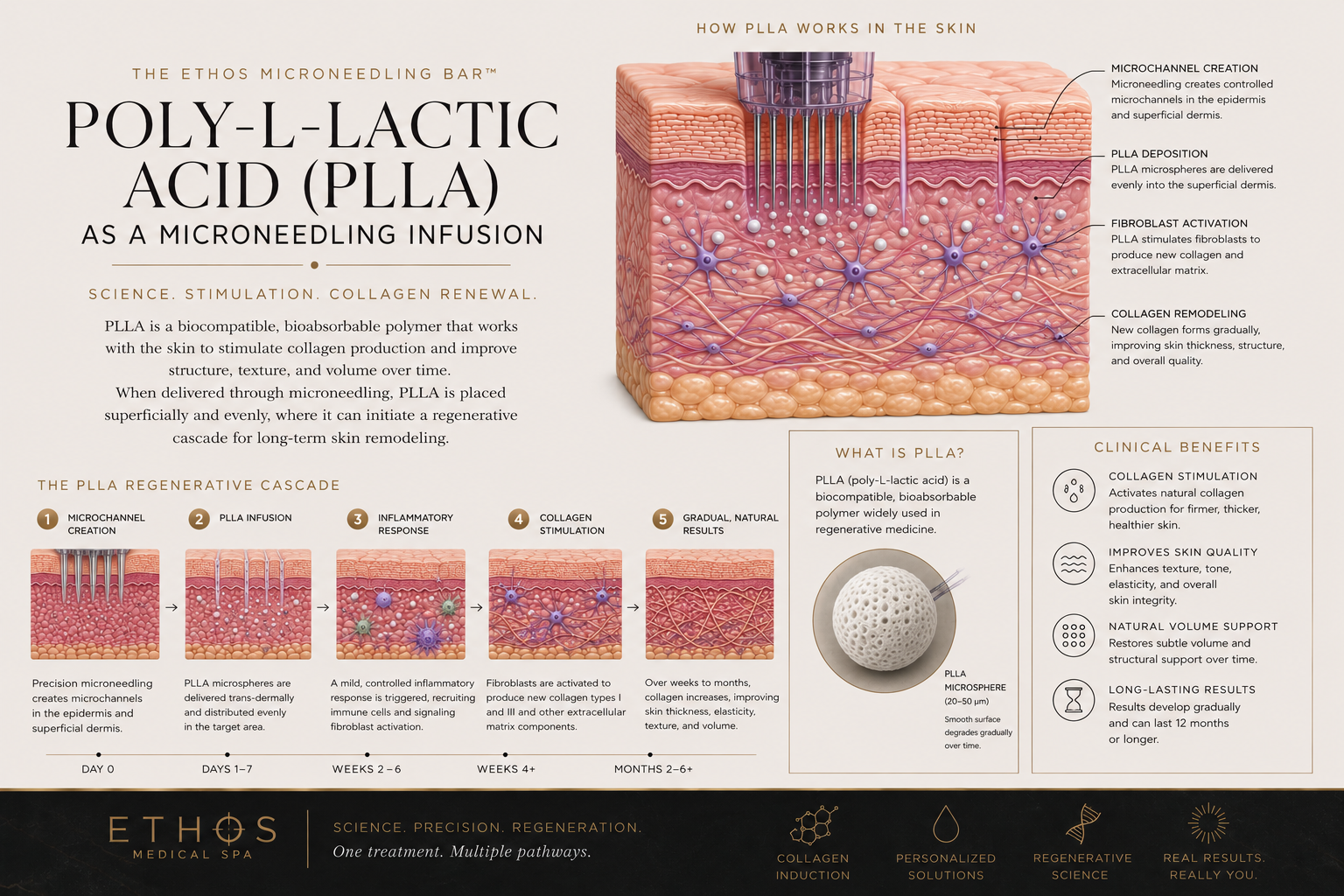
Depending on the patient's goals and clinical appropriateness, an Ethos microneedling plan may incorporate different supportive or regenerative approaches.
That can include strategies centered around:
Antioxidant + Skin Quality Support
Antioxidants and carefully selected skin-supportive ingredients may be incorporated when the goal centers around visible photoaging, environmental oxidative stress, tone, or overall skin quality.
Vitamin C is especially interesting because it serves as an essential cofactor in normal collagen biosynthesis—but formulation matters tremendously when the skin barrier has been disrupted.
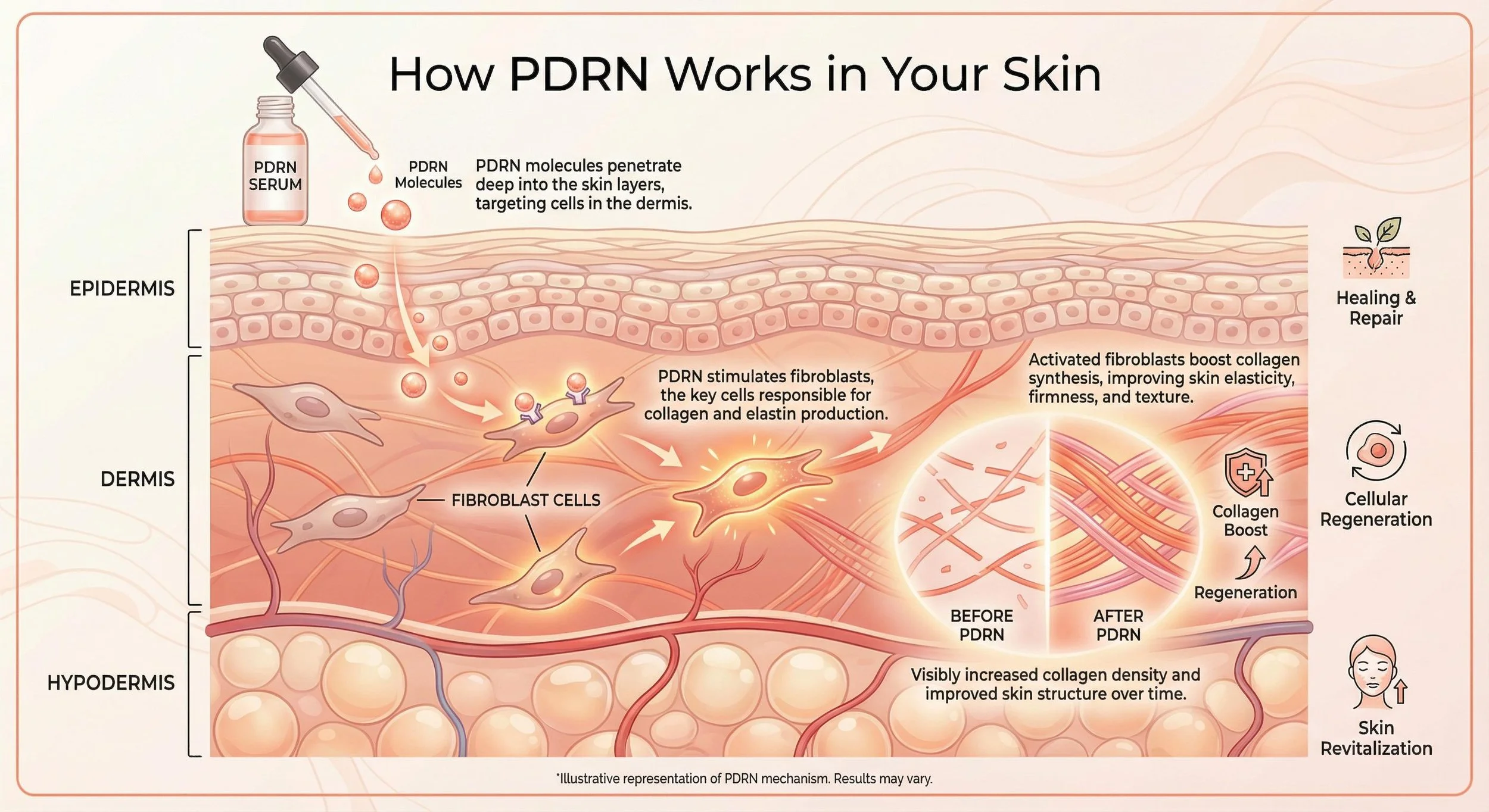
PDRN
Polydeoxyribonucleotide, or PDRN, has attracted significant attention in regenerative medicine because of its potential roles in tissue repair and inflammatory signaling.
Research into mechanisms including adenosine A2A receptor activity, angiogenesis, fibroblast behavior, and wound repair has made PDRN an especially interesting area of regenerative aesthetics.
The science is promising—and still evolving.
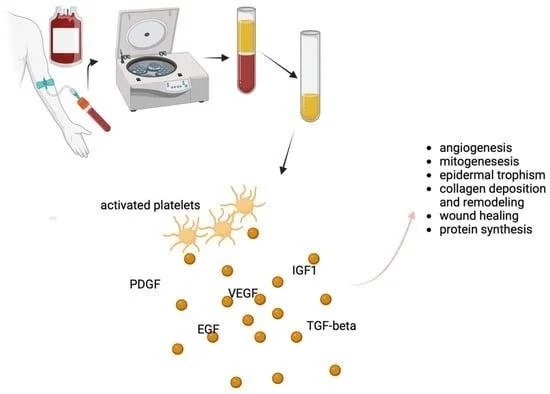
PRP and Autologous Regenerative Approaches
Platelet-rich plasma uses components derived from the patient's own blood to concentrate platelets and associated signaling proteins.
Rather than being a foreign “ingredient,” PRP leverages the patient's own biology and has been studied as an adjunct to procedures including microneedling, particularly in areas such as acne-scar remodeling and tissue repair.
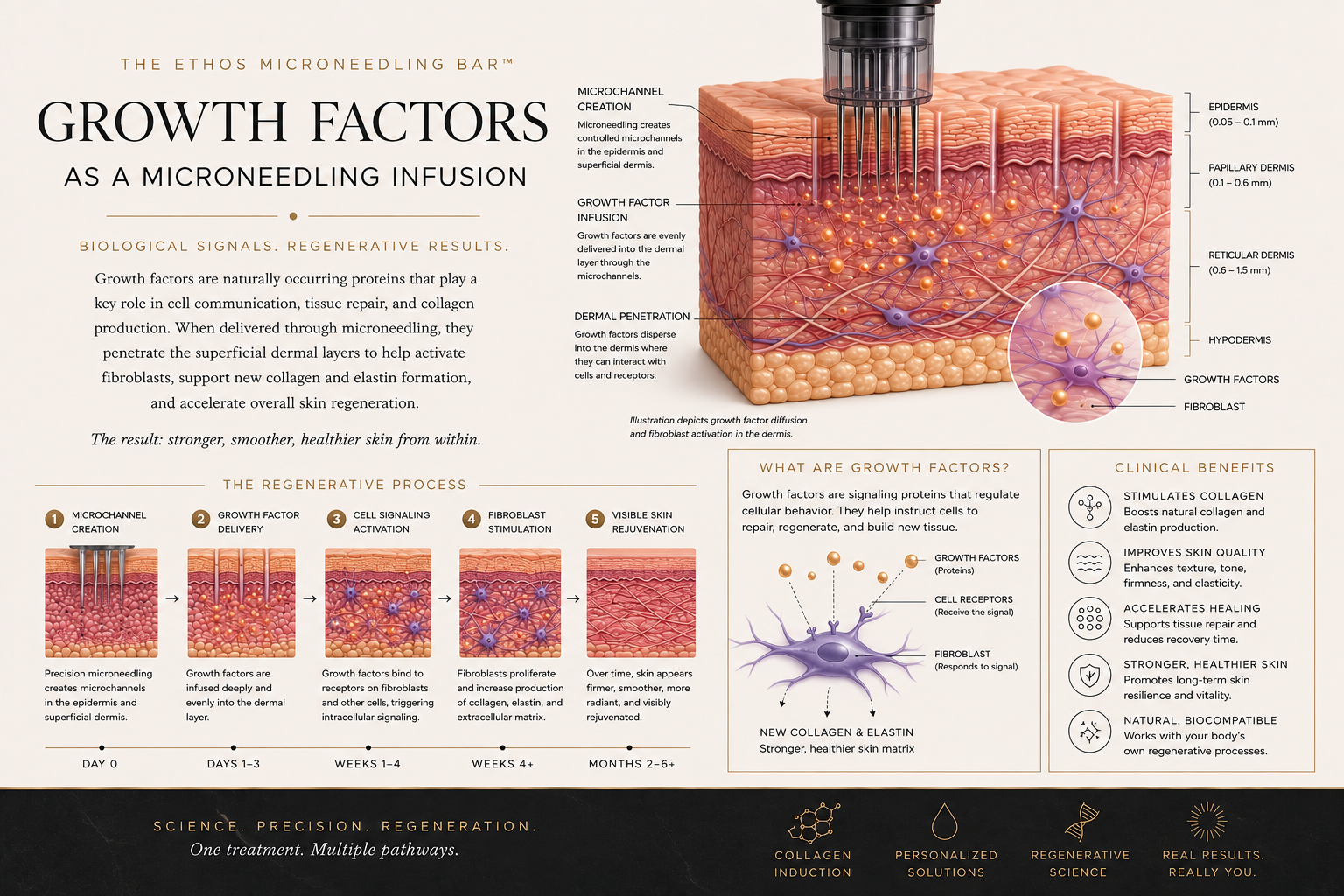
Growth-Factor and Signaling Technologies
One of the most exciting frontiers in aesthetics involves products designed around cellular communication.
Growth factors, platelet-derived signaling technologies, extracellular-vesicle research, peptides, nucleotides, and other regenerative technologies are rapidly changing the conversation from:
“What can we put into the skin?”
to:
“What signals can influence how the skin responds?”
And that is a fundamentally different way of thinking about aesthetics.
The Goal Isn't More Inflammation
This may be one of the most important distinctions between advanced microneedling and aggressive microneedling.
More trauma does not automatically mean more collagen.
Microneedling relies on controlled injury—but controlled is the operative word.
Wound healing is an extraordinarily coordinated biological process. We want enough stimulation to initiate remodeling without treating inflammation as though it were the desired endpoint.
The goal isn't to make someone as red, bloody, or inflamed as possible.
The goal is to create the appropriate biological stimulus for that individual skin.
Depth matters.
Technique matters.
Treatment interval matters.
Patient selection matters.
Recovery matters.
And sometimes the most sophisticated decision we can make is to do less.
Why We Don't Measure a Microneedling Treatment by How Much You Bleed
This deserves its own conversation.
Pinpoint bleeding can occur during microneedling, but blood is not the measure of a successful treatment.
Skin thickness varies dramatically across different regions of the face. Vascularity varies. Scar tissue behaves differently from healthy tissue. Individual anatomy varies.
A knowledgeable provider adjusts technique accordingly.
We aren't chasing blood.
We're chasing a controlled biological response.
That's a very different philosophy.
Your Microneedling Treatment Should Evolve With Your Skin
Perhaps our favorite part of The Ethos Microneedling Bar™ is that your treatment doesn't have to remain the same forever.
Your first treatment might focus on barrier preparation and overall skin quality.
Later treatments may emphasize texture or collagen remodeling.
A future treatment may incorporate a regenerative adjunct when appropriate.
Your skin at 35 isn't your skin at 45.
Your skin after three treatments isn't the skin that walked through our door before treatment one.
The plan should evolve because the tissue is evolving.
That's personalized aesthetics.
And Your Home Care Is Part of the Treatment
The remodeling process doesn't stop when you leave Ethos.
Professional microneedling creates a stimulus.
Your skin then needs the environment to respond appropriately.
That means thoughtful post-procedure care, daily broad-spectrum sunscreen, antioxidant support when appropriate, barrier protection, and a consistent home skincare regimen all matter.
This connects directly to one of our foundational beliefs at Ethos:
The treatment room can initiate change. Your daily habits help determine what happens next.
Why We Created The Ethos Microneedling Bar™
We didn't create The Ethos Microneedling Bar™ because microneedling needed to become trendier.
We created it because we believed it could become smarter.
We wanted to combine:
Collagen induction.
Skin biology.
Ingredient science.
Regenerative medicine.
Personalization.
Education.
All within one treatment philosophy.
Because the future of aesthetics isn't about finding the strongest treatment.
It's about finding the right biological signal, for the right skin, at the right time.
The Ethos Difference
At Ethos, microneedling isn't simply a procedure on our menu.
It's one of the ways we practice our larger philosophy of aesthetics:
Preserve. Stimulate. Regenerate.
We believe in protecting healthy tissue.
We believe in stimulating the body's own regenerative capacity intelligently.
We believe skin quality should be treated as an investment measured in years—not just in the glow you see next week.
And we believe patients deserve to understand exactly why we're doing what we're doing.
That's the difference between performing microneedling...
and understanding it.
Final Thought
Microneedling creates thousands of microscopic opportunities for the skin to respond.
The Ethos Microneedling Bar™ is about being intentional with those opportunities.
Different skin.
Different goals.
Different biology.
Why should everyone receive the same treatment?
Welcome to The Ethos Microneedling Bar™—where one of aesthetics' most established collagen-induction treatments meets the next generation of personalized regenerative skin science.
